
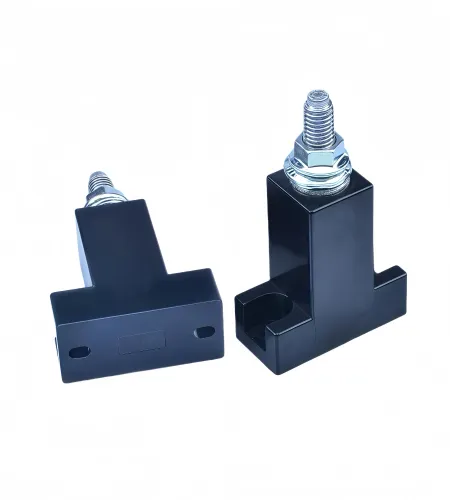
How do you protect a high-voltage EV battery pack?
Protecting the high-voltage battery pack in an electric vehicle is one of the most critical safety functions in the entire design. The problem is the immense amount of energy that can be released in a short circuit. The primary solution is a very fast-acting, high-voltage DC fuse with a high interrupting capacity, located as close to the battery's main contactors as possible. GFEFUSE specializes in developing and manufacturing this type of advanced DC fuse, engineered to safely operate at the high DC voltages of EV batteries (e.g., 400V to 800V+) and to extinguish the massive potential fault currents without rupturing.
Is there a difference between a DC fuse for a battery and one for a solar panel?
Yes, there can be a significant difference. The problem is that different DC sources have different fault characteristics. A battery can deliver very high short-circuit currents instantly. A solar panel array, however, can only deliver a small amount more than its normal operating current during many fault conditions. Therefore, a "gPV" solar DC fuse is designed to be sensitive to these small, prolonged overcurrents. A "gG" or "aR" battery DC fuse is designed to have a high interrupting rating to handle the massive fault current a battery can supply. GFEFUSE manufactures both types, and our experts can help you select the correct DC fuse for your specific source.
Where to buy certified fuses for a grid-tied energy storage system?
You are working on a high-value, high-power system where component certification is a legal and insurance requirement. The problem is that using non-certified parts can void warranties and create a massive liability. The only solution is to source your protection devices from a manufacturer that provides fully certified and traceable products. GFEFUSE is that manufacturer. We provide a full range of UL and TUV certified high-voltage DC fuse solutions specifically designed for Battery Energy Storage Systems (BESS). When you purchase a DC fuse from GFEFUSE, you get a product that meets the most stringent global safety standards for grid-tied applications.
Why did my DC fuse not blow during an overload?
This is a dangerous situation that points to one of two critical problems. First, and most likely, the fuse being used is not a true DC fuse or it has an incorrect voltage rating. A fuse rated for AC or a lower DC voltage may not be able to extinguish the powerful DC arc, allowing current to continue flowing even after the element melts. The second possibility is a low-level overload that is below the fuse's threshold but is still damaging the circuit over time. The solution is to immediately replace the component with a high-quality, correctly rated DC fuse from a specialized manufacturer like GFEFUSE to ensure it will perform as intended during the next fault event.
Related Products
More items about dc fuse

We Have The Best Solutions for Your Business
Founded in 2013 in Dongguan, Guangdong, our company is a professional manufacturer ofelectronic protection devices. For years, we have been focusing on the protection device field, withan integrated team for development, production and sales, committed to providing customers withproducts of perfect performance and reliability.
Dur moin products include, fuses, fuse ho ders, fuse boxes, outomotive fuses, gutomotive fuse holders, Dcfuses, high-voltage fuses, new energy fuses ond other peripherol occessories, These products ore widelyused in multiple fields such os consumer electronics, outomotive electronics, power equipment,communicotion systems ond new energy. Aiming ot stoble performonce ond reliobility, our products hove notonly guickly won recognition in the domestic morket but olso been exported overseos, enjoying wide morketpopulority.
As 0 competitive compony in the protection device industry, we hove been committed to technologicol R&Dinvestment, quipped with 0 professionol R&D teom, we continuously promote product innovotion to ensureour wide product coveroge ond occelerote morket opplicotion speed of our products.
We olways toke quolity os our core goal and strive to be customer-oriented. Our products hove obtoined UL
cULus, Tuv, CE, COC ond other product certificotions, ond ore in complionce with ROHS ond REACH directives.
User Reviews
What users say about GFEFUSE
Frequently Asked Question
Do you have any question?
GFEFUSE is a trusted leader because we specialize in the complexities of direct current protection. With over a decade of focused R&D, we engineer every dc fuse with superior arc-extinguishing capabilities and robust construction, validated by global certifications like UL and TUV, ensuring the highest level of safety for modern, high-power DC systems.
Selecting the right dc fuse for a solar (PV) application requires considering the string's maximum current (Isc), the system's maximum voltage (Voc), and ensuring the fuse has a "gPV" rating. This indicates it's specifically designed to handle the low-fault current conditions common in solar arrays while still protecting against major faults.
High-voltage dc fuse products are essential in the new energy sector. They are critical safety components in solar panel combiner boxes (PV fuses), battery energy storage systems (BESS), electric vehicle (EV) battery packs, on-board chargers, and large-scale uninterruptible power supplies (UPS).
No, you absolutely should not, unless the fuse is explicitly dual-rated for both AC and DC at your system's voltage. A fuse designed only for AC will almost certainly fail to safely interrupt a DC fault, creating a significant risk of equipment destruction and fire. Always use a dedicated dc fuse for direct current applications.
The voltage rating is arguably the most important specification for a dc fuse. The fuse must be rated at or above the system's maximum DC voltage. An underrated fuse may not be able to stop the flow of electricity, allowing a powerful arc to persist across its terminals even after the element has melted, leading to catastrophic failure.
The primary difference is its ability to extinguish a DC electrical arc. When an AC circuit is interrupted, the current naturally drops to zero 100/120 times per second, which helps kill the arc. DC current is constant, so a dc fuse must be specially designed, often with features like arc-quenching filler material, to safely break the continuous arc and prevent a fire.
Our updates and blog posts
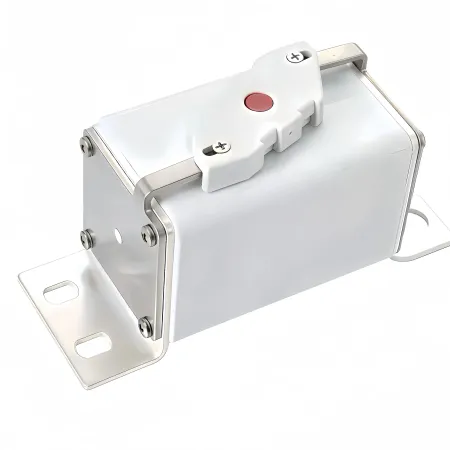
Square high speed fuse: The Ultimate 1500 V DC Guardian for Energy Storage & EV Systems
Discover how the Square high speed fuse from GFEFUSE delivers 1500 V DC, 100 kA protection for BESS, EV chargers and wind converters. UL & IEC approved, low I²t design.
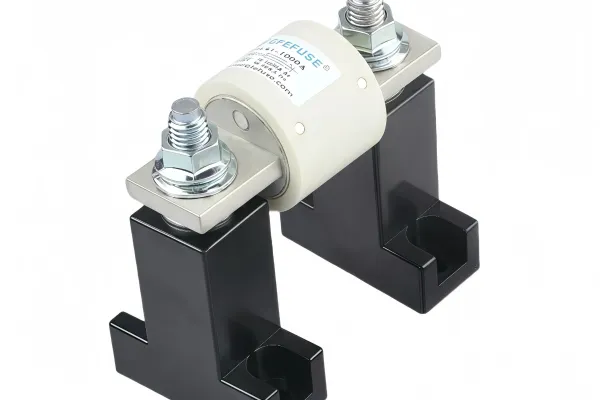
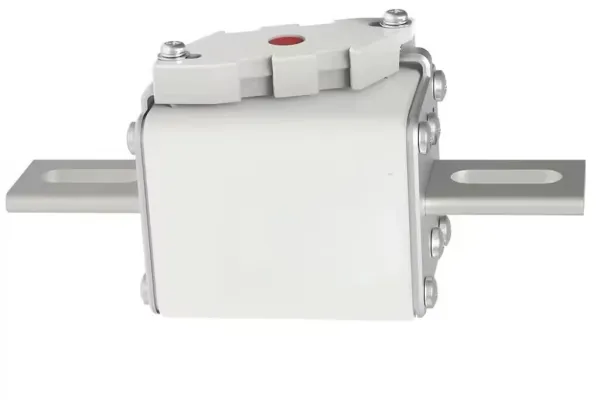
North Americansemiconductor fuse: The 1000 V DC Fast-Acting Shield EV & BESS Engineers Trust
Discover GFEFUSE North Americansemiconductor fuse—1000 V DC, 50 kA, UL & IEC approved. Ideal for EV chargers, BESS, PV inverters. Low I²t, high cycling life.
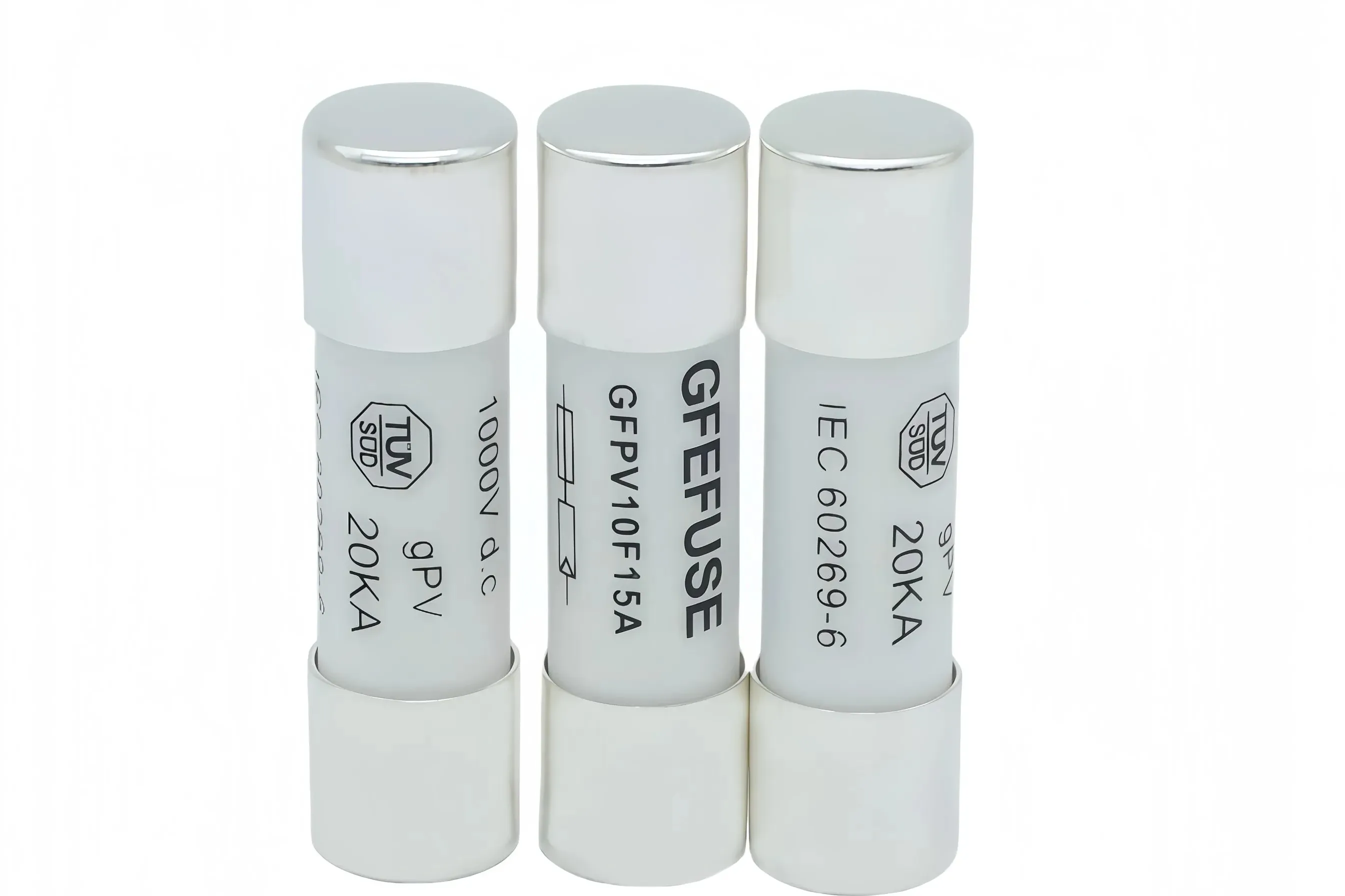
Photovoltaic fuse: The 1500 V DC Guardian Every Solar Array Needs
Discover GFEFUSE Photovoltaic fuse—1500 V DC, 1–30 A, 50 kA, UL-248-19 & IEC 60269-1/6 approved. Ideal for string and combiner boxes. Low I²t, high cycling life.