
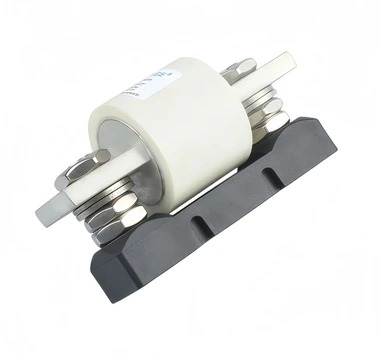
An in-depth technical analysis for engineers and procurement specialists to ensure circuit safety and long-term reliability.
Introduction to Advanced Circuit Protection
In the rapidly evolving landscape of modern electronics, circuit protection has transitioned from a basic safety requirement to a critical performance metric. Selecting the right components is no longer just about preventing catastrophic failure; it is about ensuring the longevity and efficiency of the entire system. When it comes to pcb mount fuse holder selection, engineers must navigate a complex matrix of electrical specifications, mechanical constraints, and environmental variables. A fuse holder is the physical interface between the protective element and the printed circuit board, and its quality directly impacts the thermal stability and electrical integrity of the device.
GFEFUSE has established itself as a leader in this domain, providing high-performance solutions that cater to diverse industries ranging from automotive to industrial automation. The process of pcb mount fuse holder selection involves understanding how different materials and designs react under continuous load and transient surge conditions. Whether you are designing a compact consumer gadget or a heavy-duty industrial controller, the choice of fuse holder can dictate whether your product meets global safety standards or suffers from premature field failures. This guide provides a comprehensive framework to master the selection process with precision and expertise.
Electrical Parameters and Current Rating Nuances
The primary objective of pcb mount fuse holder selection is to maintain an uninterrupted electrical path during normal operation while facilitating a safe break during overcurrent events. The rated current of a fuse holder is not a static number; it is heavily influenced by the contact resistance between the holder and the fuse link. High contact resistance leads to localized heating, which can degrade the PCB substrate and the solder joints over time. Professionals must evaluate the "Voltage Drop" across the holder to ensure that the power loss remains within acceptable limits for the specific application.
Furthermore, the maximum voltage rating is a non-negotiable factor. If a fuse holder is used beyond its rated voltage, the risk of arcing during a fuse blow event increases significantly. For high-voltage DC applications, such as those found in electric vehicles or renewable energy systems, specialized holders with enhanced insulation and creepage distances are mandatory. GFEFUSE focuses on optimizing these parameters by using high-conductivity copper alloys and specialized plating techniques (such as tin or silver) to minimize resistance. During the pcb mount fuse holder selection process, always account for a safety derating factor of at least 25% to accommodate ambient temperature fluctuations and transient spikes that occur during startup cycles.
Mechanical Integration and PCB Footprint Optimization
The physical form factor of a fuse holder determines how much real estate is required on the board. In modern compact electronics, space is a premium commodity. Engineers face a choice between horizontal and vertical mounting orientations. Horizontal holders are generally more stable under high-vibration conditions but occupy more surface area. Conversely, vertical holders save space but may require additional structural support if the equipment is subject to mechanical shock. Efficient pcb mount fuse holder selection requires a balance between these spatial constraints and the ease of maintenance, as the fuse must remain accessible for replacement without de-soldering components.
The pitch and lead diameter are also vital considerations. For high-current applications, the leads must be thick enough to carry the load without overheating, which in turn requires larger through-holes in the PCB. GFEFUSE offers a variety of footprints, from traditional through-hole pins to surface-mount (SMD) clips that cater to automated assembly lines. When conducting pcb mount fuse holder selection, verify that the holder’s retention force is sufficient to keep the fuse seated during shipping and operation, yet low enough to allow for manual replacement. Using a holder with an integrated cover or cap is also recommended for applications where environmental debris or accidental contact might occur, adding an extra layer of mechanical and electrical protection.
Thermal Management and Material Science
Heat is the enemy of electronic longevity. The thermal performance of a fuse holder is dictated by the materials used in its construction. Most high-quality holders utilize glass-filled thermoplastic or high-temperature ceramics that can withstand the heat generated during an overcurrent event without deforming. During pcb mount fuse holder selection, it is crucial to analyze the "Total Power Dissipation" of the fuse-holder combination. If the holder cannot effectively dissipate heat into the PCB traces or the surrounding air, it can lead to "Nuisance Tripping," where the fuse blows at a current lower than its rating due to excessive ambient heat.
Advanced thermal modeling is often used by GFEFUSE to ensure that their products maintain structural integrity even at the upper limits of their temperature ratings. When you are performing pcb mount fuse holder selection for harsh environments, such as engine compartments or industrial ovens, look for UL 94 V-0 flammability ratings and high Relative Thermal Index (RTI) values. Additionally, the PCB trace width connected to the fuse holder leads should be oversized to act as a heat sink, pulling thermal energy away from the contact points. This holistic approach to thermal management ensures that the circuit protection system remains reliable over thousands of operational hours, preventing costly downtime and maintenance cycles.
Why GFEFUSE is the Preferred Partner
Choosing a manufacturer is just as important as the technical specifications of the part itself. GFEFUSE brings decades of expertise to the table, offering a robust portfolio of protection devices designed to meet the most stringent international standards. Our commitment to quality begins with raw material sourcing and extends through rigorous testing protocols. For designers, our wide range of fuse holder options ensures that there is a perfect match for any electrical profile. Our engineering team assists clients throughout the pcb mount fuse holder selection process, providing CAD models and thermal data to streamline the design phase.
Our product line includes specialized components such as the pcb-fuse-holder-clip, which is ideal for cost-sensitive yet high-reliability applications. For those in the transportation sector, our automobile-fuse holders are engineered to withstand extreme vibration and temperature cycling. The GFEFUSE advantage lies in our ability to customize solutions; if a standard catalog item does not meet your specific requirements for pcb mount fuse holder selection, our R&D team can develop bespoke prototypes tailored to your project’s unique mechanical and electrical needs. We pride ourselves on being more than just a supplier; we are a strategic partner in circuit safety.
Frequently Asked Questions
Q1: What is the most common mistake in pcb mount fuse holder selection?
The most common error is failing to account for the temperature derating of both the fuse and the holder. Many engineers select a holder based purely on the nominal current without considering that the effective current-carrying capacity drops significantly as ambient temperatures rise above 25 degrees Celsius.
Q2: How does contact plating affect pcb mount fuse holder selection?
Plating is critical for preventing oxidation. For high-current or high-humidity environments, silver or gold plating is preferred over standard tin to maintain low contact resistance. Proper pcb mount fuse holder selection must match the plating of the fuse with the plating of the holder to avoid galvanic corrosion.
Q3: Can I use surface mount technology for pcb mount fuse holder selection in high-power circuits?
While SMT holders are excellent for space-saving, through-hole mounting is still the industry standard for high-power circuits. Through-hole pins provide superior mechanical strength and better thermal dissipation paths into the internal layers of the PCB, which is a vital factor in pcb mount fuse holder selection for heavy-duty applications.
Q4: Does the orientation of the holder matter during pcb mount fuse holder selection?
Yes. Vertical orientation is best for saving board space, while horizontal orientation is better for stability in high-vibration environments. Your pcb mount fuse holder selection should be guided by the mechanical stress factors of the final installation environment.
Q5: What certifications should I look for in pcb mount fuse holder selection?
Always ensure the components are UL, CSA, or IEC certified. These certifications guarantee that the holder has undergone rigorous testing for insulation resistance, dielectric strength, and flammability, which are essential criteria for any professional pcb mount fuse holder selection process.
Conclusion
Effective pcb mount fuse holder selection is a cornerstone of safe electronic design. By focusing on electrical ratings, mechanical stability, and thermal management, you can protect your brand's reputation and ensure the safety of your end-users. GFEFUSE remains dedicated to providing the high-quality components and technical support necessary to make these critical decisions with confidence.