
Body Content
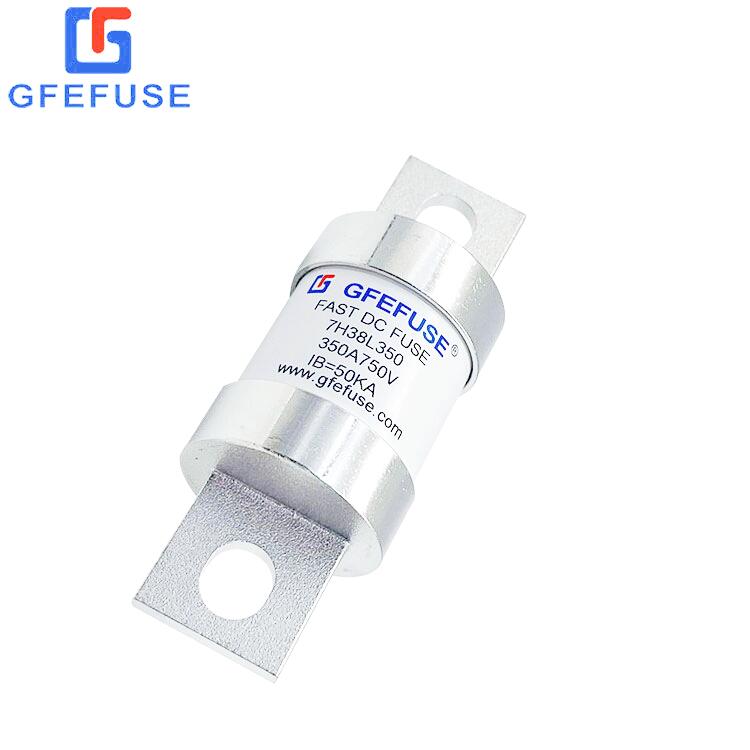
Energy storage systems rely on stable and secure electrical protection to manage high-voltage DC power flows. As system capacities continue to increase, the role of a high voltage fuse becomes critical in maintaining operational safety and preventing catastrophic electrical failures.
In energy storage applications, high voltage fuses are designed to interrupt excessive current caused by short circuits, insulation breakdowns, or abnormal operating conditions. Because DC faults can generate sustained arcs, a high voltage fuse must be capable of fast response and effective arc suppression to protect batteries, converters, and power distribution components.
System designers use high voltage fuses to isolate faulty sections without disrupting the entire energy storage system. This selective protection helps maintain system availability while limiting the impact of electrical faults. Proper coordination between the high voltage fuse and other protective devices ensures controlled fault interruption and system stability.
Thermal performance is another important consideration. Energy storage systems often operate continuously under varying load conditions. A well-designed high voltage fuse maintains consistent performance across a wide temperature range, reducing the risk of nuisance operation or delayed fault response.
By integrating high voltage fuses into energy storage architectures, engineers can enhance system safety, meet regulatory requirements, and extend equipment service life. These protection devices play a foundational role in the reliable operation of modern energy storage infrastructure.