
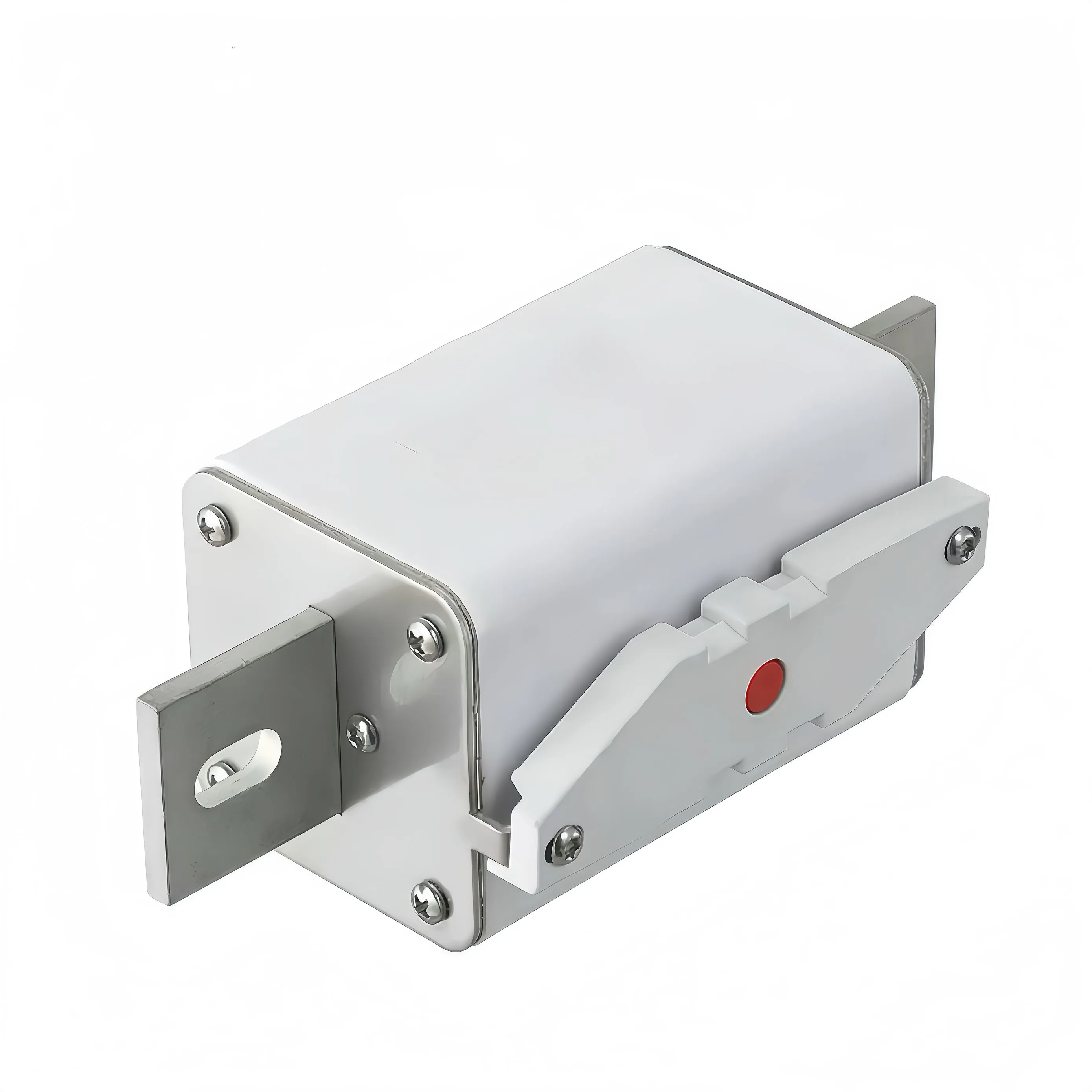
A comprehensive guide to sourcing high-performance circuit protection for modern photovoltaic systems.
The Growing Demand for Reliable PV Protection
As the global transition to renewable energy accelerates, the scale and complexity of solar photovoltaic (PV) installations have reached unprecedented levels. Central to the safety and longevity of these systems is the integrity of DC circuit protection. In this landscape, choosing the right solar fuse holder supplier is not merely a procurement decision but a critical safety mandate. High-voltage DC environments, often reaching up to 1500V, present unique challenges such as persistent arcing and thermal stress that standard AC components cannot handle.
A professional supplier does more than provide a plastic housing; they deliver a component engineered to withstand decades of environmental exposure while ensuring a secure electrical connection. As system voltages rise from 1000V to 1500V to increase efficiency, the specifications for fuse holders have become more stringent. This guide explores the technical nuances, certification requirements, and strategic considerations that global buyers must prioritize when evaluating a potential partner in the circuit protection industry.
Technical Specifications and Material Excellence
When assessing a solar fuse holder supplier, the first point of evaluation should be the material composition of their products. Photovoltaic systems are frequently located in harsh environments characterized by extreme temperature fluctuations, high humidity, and intense UV radiation. Professional-grade fuse holders, such as those developed by GFEFUSE, typically utilize high-performance polymers like PA66 or specialized thermoset plastics that offer UL94-V0 flammability ratings.
The internal conductive elements are equally vital. To maintain low contact resistance and prevent overheating, high-quality suppliers use silver-plated copper or high-conductivity brass alloys. For 10x38mm, 14x51mm, or 10x85mm fuse formats, the clamping force of the holder must remain consistent over time. If the grip on the fuse link weakens due to thermal fatigue, it can lead to localized heating, which eventually causes premature fuse failure or, in the worst case, a fire within the combiner box or inverter. Understanding these material science aspects allows buyers to distinguish between commodity-grade parts and industrial-strength solutions.
Compliance with International Safety Standards
In the global market, certifications are the most reliable indicator of a supplier's commitment to quality. Any reputable solar fuse holder supplier must demonstrate compliance with standards such as IEC 60269-6, which is specifically tailored for photovoltaic application fuse links and holders. Additionally, for the North American market, UL 4248-18 is the gold standard for PV fuse holders. These certifications ensure that the product has undergone rigorous testing for dielectric strength, breaking capacity, and mechanical durability.
Beyond product-level certifications, the manufacturer's facility should ideally be ISO 9001 certified. This ensures that every batch of products maintains the same high standard through documented quality control processes. For global buyers, these documents are essential for insurance compliance and local grid connection approvals. When you partner with an expert manufacturer like GFEFUSE, you gain access to comprehensive test reports and data sheets that simplify the engineering approval process for large-scale utility projects.
Navigating the 1500V DC Evolution
The shift toward 1500V DC systems is perhaps the most significant trend in the modern solar industry. Higher voltages allow for longer strings and fewer combiner boxes, which significantly reduces Balance of System (BoS) costs. However, this trend requires a solar fuse holder supplier that can provide components with increased creepage and clearance distances to prevent electrical tracking. A standard 1000V holder is not safe for a 1500V application, and using one can lead to catastrophic system failure.
Specialized 1500V fuse holders are designed with enhanced insulation and more robust housing to manage the increased electrical stress. They also feature specific DIN-rail mounting capabilities and finger-safe designs to protect maintenance personnel. Suppliers who stay ahead of the curve, like GFEFUSE, invest heavily in R&D to ensure their 1500V solutions are not just compliant but optimized for the thermal dynamics of high-density solar arrays. Buyers should look for partners who can offer a complete range of high-voltage DC protection, from the fuse links themselves to the specialized holders.
Why GFEFUSE is Your Strategic Partner
GFEFUSE has established itself as a premier solar fuse holder supplier, dedicated to the development of high-performance circuit protection solutions for the new energy sector. With over a decade of expertise, our company focuses on the intersection of innovation and reliability. Our product portfolio includes everything from photovoltaic fuses for string protection to heavy-duty holders for energy storage systems.
Our competitive advantage lies in our vertically integrated manufacturing process. We control every aspect of production, from material selection to final assembly and testing. This allows us to offer customized fuse holder solutions that meet specific OEM requirements, whether it's for compact PCB-mounted applications or modular DIN-rail installations in industrial-scale power plants. By choosing GFEFUSE, you are partnering with a team that understands the technical challenges of the DC environment and provides products that ensure long-term ROI for your solar projects.
Our Core Advantages:
Precision Engineering: Advanced mold design for tight tolerances and secure fuse seating.
Global Certifications: Fully certified under UL, CE, and TUV standards for international compliance.
Scalability: High-volume production capacity to support utility-scale project timelines.
Frequently Asked Questions
Q1: How do I verify the credentials of a solar fuse holder supplier?
A reliable supplier should provide third-party test certifications (UL, TUV, or IEC) and proof of ISO 9001 management systems. You can also request a factory audit or sample testing to verify material quality and mechanical performance.
Q2: What materials should a solar fuse holder supplier use for high-voltage applications?
For high-voltage DC, the housing should be made of flame-retardant polymers like PA66 with high RTI (Relative Thermal Index) ratings. Conductive parts should be silver-plated copper to minimize oxidation and maintain low resistance.
Q3: Can a solar fuse holder supplier customize products for unique enclosures?
Yes, professional suppliers like GFEFUSE offer OEM and ODM services. This includes modifying mounting clips, wire lead lengths, or developing specialized PCB-mount holders for compact electronics used in the solar industry.
Q4: Why is the thermal performance of a solar fuse holder supplier's product so critical?
Solar installations generate significant heat. A holder with poor thermal dissipation can cause the fuse to trip prematurely or the plastic to degrade, compromising the safety of the entire PV array.
Q5: How does a solar fuse holder supplier handle 1500V DC requirements?
Leading suppliers design 1500V holders with increased insulation distance and robust arc-extinguishing properties to prevent short circuits and ensure safety in high-efficiency modern solar plants.
Conclusion
In the complex world of solar energy, the smallest components often play the most vital roles. A high-quality fuse holder ensures that your circuit protection functions as intended when a fault occurs, preventing costly damage and downtime. By carefully selecting a solar fuse holder supplier that prioritizes technical excellence, material integrity, and international standards, you can safeguard your investments and contribute to a more stable green energy future.
GFEFUSE remains at the forefront of this industry, combining technical expertise with a customer-centric approach to solve the most pressing challenges in DC circuit protection. Whether you are designing a small residential system or a massive utility-scale farm, our components provide the reliability you need.
Protect Your Solar Infrastructure Today
Partner with GFEFUSE for industry-leading DC fuse holders and expert technical support.
Contact Our Engineering Team