
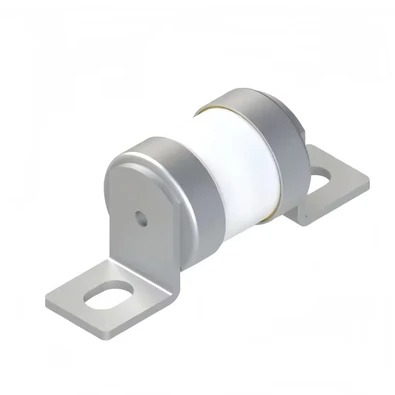
Establishing high-performance circuit protection standards through strategic engineering and manufacturing excellence.
Introduction to Modern Circuit Protection
In the rapidly evolving landscape of automotive electronics, the complexity of vehicle wiring systems has increased exponentially. From advanced driver-assistance systems (ADAS) to complex infotainment and climate control units, every circuit requires a reliable safety mechanism. This is where a specialized oem blade fuse holder supplier becomes an indispensable partner for manufacturers. A fuse holder is not merely a plastic housing; it is the critical interface that ensures electrical continuity while providing a safe fail-point to prevent catastrophic damage or fire during overcurrent events. As vehicles move toward greater electrification, the demands on these components for thermal stability, vibration resistance, and space efficiency have never been higher.
Choosing the right components involves more than just looking at current ratings. It requires a deep understanding of the environment in which the vehicle operates. High-vibration areas like engine bays or the rugged terrains handled by off-road vehicles demand fuse holders that can maintain constant mechanical pressure on the fuse blades. A professional oem blade fuse holder supplier provides the engineering depth needed to navigate these challenges, offering solutions that range from standard ATO and Mini blade formats to specialized Micro2 and Micro3 designs that optimize precious PCB or harness space.
The Strategic Importance of an OEM Blade Fuse Holder Supplier
For Tier 1 and Tier 2 automotive suppliers, the sourcing process for circuit protection components is a strategic decision that affects the long-term reliability of the entire vehicle platform. Partnering with a dedicated oem blade fuse holder supplier ensures that the components are manufactured under strict IATF 16949 quality management systems. This certification is the gold standard in the automotive industry, signifying that the supplier adheres to rigorous defect prevention and reduction of variation and waste in the supply chain. Beyond manufacturing, an OEM-focused supplier brings collaborative design capabilities to the table, allowing for the creation of custom-molded housings that fit specific spatial constraints or integrate directly into modular power distribution blocks.
Furthermore, the global nature of automotive production means that logistics and supply chain transparency are paramount. A reliable oem blade fuse holder supplier offers comprehensive documentation, including IMDS (International Material Data System) filings and PPAP (Production Part Approval Process) level 3 reports. These documents provide the necessary assurance that every material used in the fuse holder—from the thermoplastic resin to the copper alloy terminals—meets environmental and safety regulations. In an era of increasing scrutiny regarding "Right to Repair" and long-term vehicle service life, sourcing high-quality components ensures that the electrical system remains serviceable for decades, protecting the brand reputation of the vehicle manufacturer.
Technical Categories of Blade Fuse Holders
Blade fuses are categorized by their physical size and the current range they are designed to handle. A competent oem blade fuse holder supplier must maintain a diverse portfolio to support various application needs. The standard "ATO" or "ATC" fuse holders are still widely used for general automotive circuits, providing a robust contact area for currents up to 40A. However, as electronic control units (ECUs) become more compact, the industry has shifted toward "Mini" and "Low Profile Mini" formats. These smaller footprints allow for denser power distribution in fuse boxes, although they require more precise terminal manufacturing to maintain low contact resistance and manage heat dissipation effectively.
For even higher density, "Micro2" and "Micro3" blade fuse holders represent the cutting edge of current protection. The Micro2 is a dual-terminal fuse, while the Micro3 features three terminals, allowing two separate circuits to be protected by a single fuse body. Designing holders for these components requires extreme precision, as the terminal spacing is minimal. An expert oem blade fuse holder supplier utilizes advanced injection molding and high-speed stamping to ensure that the terminals are perfectly aligned, preventing "arcing" or intermittent contact that could lead to circuit failure. Additionally, "Maxi" fuse holders are used for high-current applications (up to 80A-100A), such as battery charging circuits or main power feeds, requiring larger, more durable terminals and specialized heat-resistant plastics.
Material Excellence in Automotive Protection
The performance of a blade fuse holder is heavily dictated by the materials used in its construction. The housing is typically made from high-performance thermoplastics like Polyamide (PA66) or Polybutylene Terephthalate (PBT), often reinforced with glass fiber. These materials are chosen for their high melting points, excellent dielectric strength, and resistance to automotive fluids like oil, gasoline, and brake fluid. A professional oem blade fuse holder supplier will conduct UL 94 V-0 flammability testing to ensure that the material will self-extinguish in the event of an electrical fault, preventing the spread of fire within the dashboard or engine compartment.
The metal terminals are equally critical. Most high-quality fuse holders utilize copper alloys with tin or silver plating. Tin plating is cost-effective and provides good conductivity and corrosion resistance for standard environments. However, in high-temperature applications or where the fuse might be subject to frequent vibration, silver-plated terminals may be recommended to prevent "fretting corrosion"—the microscopic wear and oxidation of the contact surface. A reputable oem blade fuse holder supplier provides detailed data on contact resistance and temperature rise, ensuring that the holder does not become a localized heat source that could degrade the surrounding wiring insulation over time.
Engineering Design for Compact Electronics
Modern vehicle design prioritizes weight reduction and space optimization. This has led to the development of several mounting styles for fuse holders. PCB-mount fuse holders allow protection to be integrated directly onto the circuit board of a control module, eliminating the need for separate wiring harnesses. In contrast, panel-mount and in-line fuse holders are used when accessibility is key, such as in user-serviceable fuse blocks. An oem blade fuse holder supplier must offer versatility in terminal designs, including vertical, horizontal, and right-angle configurations to accommodate different assembly workflows and housing depths.
Waterproofing is another critical design consideration, particularly for external fuse blocks or engine bay applications. In these scenarios, the oem blade fuse holder supplier integrates silicone seals and gaskets into the holder design, achieving IP67 or IP69K ratings. This prevents moisture and dust ingress from corroding the fuse contacts or causing short circuits. The mechanical design must also include positive locking mechanisms, such as Terminal Position Assurance (TPA) and Connector Position Assurance (CPA) features, which provide a tactile and visual confirmation that the fuse and the harness are fully seated and will not vibrate loose under harsh driving conditions.
Quality Control and Regulatory Compliance
The safety-critical nature of fuse holders means that quality control cannot be compromised. Every batch of products from a top-tier oem blade fuse holder supplier undergoes a battery of tests. This includes mechanical pull-force testing to ensure terminal retention, salt spray testing to simulate coastal or winter road conditions, and thermal cycling to mimic the extreme temperature swings a vehicle experiences throughout its life. Furthermore, automated optical inspection (AOI) systems are often used during the manufacturing process to detect even the slightest molding defects or terminal misalignments before the products leave the factory.
Compliance with global regulations is also a hallmark of a professional supplier. Beyond the automotive-specific IATF standards, products must comply with RoHS (Restriction of Hazardous Substances) and REACH (Registration, Evaluation, Authorisation and Restriction of Chemicals). These environmental standards ensure that the components do not contain harmful levels of lead, mercury, or cadmium. As a global oem blade fuse holder supplier, GFEFUSE ensures that all components meet these international safety and environmental benchmarks, providing peace of mind for engineers who must navigate a complex landscape of regional regulations in the US, Europe, and Asia.
Future Trends: EV and High Voltage Systems
The shift toward Electric Vehicles (EVs) is fundamentally changing the requirements for fuse holders. While low-voltage blade fuses still handle the 12V/24V auxiliary systems, the high-voltage powertrain requires entirely different protection strategies. However, the lessons learned in blade fuse holder design—regarding thermal management, vibration resistance, and material science—are being applied to new modular fuse blocks that combine traditional blade fuses with high-voltage bolt-down fuses. A forward-thinking oem blade fuse holder supplier is now developing integrated power distribution units (PDUs) that simplify the architecture of electric vehicles.
Integration is the keyword for the future. We are seeing a move toward "smart" fuse holders that incorporate basic sensing elements to monitor current flow or temperature. While still in the early stages, these components allow the vehicle's central computer to predict a fuse failure before it happens, enhancing the safety of autonomous driving systems. Partnering with an innovative oem blade fuse holder supplier like GFEFUSE gives manufacturers access to these emerging technologies, ensuring their vehicles remain at the forefront of safety and efficiency.
About GFEFUSE: Your Professional Partner
GFEFUSE is a leading global manufacturer specializing in the research, development, and production of comprehensive circuit protection solutions. As a premier oem blade fuse holder supplier, we pride ourselves on our state-of-the-art manufacturing facilities and a technical team with decades of industry experience. Our products are widely utilized across automotive, industrial, and renewable energy sectors.
Our advantage lies in our vertical integration. From precision mold design to high-speed automated assembly, we control every step of the process to ensure the highest quality. Our product range includes a variety of blade fuse options, high-voltage ev fuse solutions, and robust bolt down fuses designed for heavy-duty applications.
At GFEFUSE, we don't just supply parts; we provide solutions. Our engineering team works closely with clients to develop custom automobile fuse systems that meet the specific demands of modern vehicle architectures. Whether you need a standard holder or a completely custom power distribution block, GFEFUSE is your trusted partner.
Conclusion
Selecting an oem blade fuse holder supplier is a critical step in ensuring the safety and reliability of any electrical system. By focusing on technical precision, material quality, and regulatory compliance, manufacturers can protect their circuits and their customers. GFEFUSE stands ready to support your next project with industry-leading components and engineering expertise.
Frequently Asked Questions
Q1: What should I look for in a reliable oem blade fuse holder supplier?
A reliable supplier should possess IATF 16949 certification, demonstrate a robust quality control process, and offer comprehensive technical support. They must also be able to provide detailed material specifications and environmental compliance documentation like RoHS and REACH.
Q2: Can an oem blade fuse holder supplier provide custom molding services?
Yes, many top-tier suppliers like GFEFUSE offer custom design and molding services. This allows for the integration of fuse holders into specific housing shapes or the creation of modular units that combine multiple circuit protection functions into a single component.
Q3: How does an oem blade fuse holder supplier ensure product durability?
Durability is ensured through rigorous testing, including thermal shock, vibration, and humidity testing. Suppliers use high-grade materials like glass-filled nylon and high-conductivity copper alloys with specialized plating to resist corrosion and mechanical wear over the vehicle's lifespan.
Q4: Why is terminal plating important to an oem blade fuse holder supplier?
Terminal plating (typically tin or silver) is crucial for maintaining low contact resistance and preventing oxidation. A professional supplier will select the plating based on the operating temperature and the likelihood of fretting corrosion in the specific application environment.
Q5: How does a global oem blade fuse holder supplier handle logistics?
Global suppliers maintain localized warehouses or optimized shipping lanes to ensure a steady supply. They provide full transparency with lead times and can accommodate just-in-time (JIT) manufacturing requirements common in the automotive industry.