
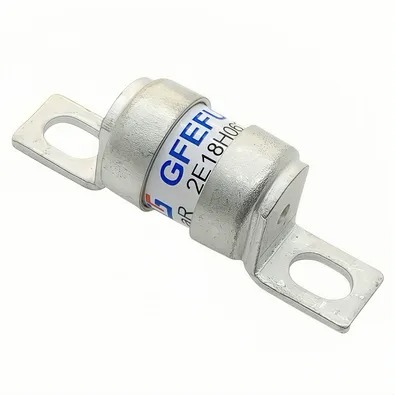
A comprehensive guide to ensuring safety, efficiency, and long-term durability in photovoltaic power distribution.
Introduction to Photovoltaic Protection
As the global transition to renewable energy accelerates, the complexity of solar installations continues to grow. Central to these systems is the solar combiner box, a critical hub that aggregates multiple strings of solar panels before the DC current is sent to the inverter. Within this high-stakes environment, the solar fuse holder for combiner box applications serves as the primary line of defense. Selecting the right component is not merely a matter of compatibility; it is a fundamental requirement for fire prevention, equipment longevity, and system uptime.
In a typical utility-scale or commercial solar farm, thousands of individual components must work in perfect harmony. A single failure in a fuse holder can lead to catastrophic thermal runaway or significant energy losses. This article explores the technical nuances, material requirements, and strategic considerations necessary to identify a reliable solar fuse holder for combiner box integration, ensuring your PV infrastructure remains robust under harsh environmental conditions.
Voltage and Current Ratings: The Technical Foundation
The first step in selecting a solar fuse holder for combiner box systems is aligning the component with the electrical parameters of your PV array. Modern solar systems are increasingly moving from 1000V DC to 1500V DC architectures to reduce balance-of-system (BOS) costs and improve efficiency. Consequently, your fuse holder must be strictly rated for these high-voltage environments. Using a holder with an insufficient voltage rating can result in arcing, which poses a severe fire risk.
Current carrying capacity is equally vital. A reliable solar fuse holder for combiner box must be able to handle the continuous current of the PV strings, plus a safety margin to account for peak sun intensity and environmental reflections. Most industrial-grade holders are designed for 10x38mm or 14x51mm fuse links, capable of supporting ratings from 15A up to 50A or more. Designers must also consider the Breaking Capacity (kA rating), ensuring the holder can safely withstand a short-circuit event without exploding or melting.
When evaluating specifications, always look for independent certifications such as UL 4248-19 or IEC 60947-3. These standards guarantee that the component has undergone rigorous testing specifically for DC photovoltaic applications, which are significantly more demanding than standard AC circuits due to the persistent nature of DC arcs.
Thermal Performance and Heat Dissipation
Combiner boxes are often installed in direct sunlight, where internal temperatures can exceed 70 degrees Celsius. Inside these enclosures, the solar fuse holder for combiner box must manage not only the ambient heat but also the thermal energy generated by the fuse link itself. Efficient heat dissipation is the hallmark of a high-quality holder. If heat is not effectively managed, the fuse may suffer from "nuisance tripping," where it blows at a current level below its rated capacity simply due to excessive temperature.
Advanced fuse holders utilize high-conductivity copper alloy clips with silver or tin plating to minimize contact resistance. Low contact resistance directly translates to less heat generation at the junction points. Furthermore, the housing material should be made of high-performance thermoplastics or polymers that maintain structural integrity at high temperatures. Materials with a high Flammability Rating (such as UL94-V0) are essential for ensuring that any localized overheating does not escalate into a full-scale fire.
Engineers should also consider the physical design of the holder. Well-ventilated designs or those that allow for adequate spacing between units on a DIN rail help in creating a convection flow, pulling heat away from the sensitive fuse elements. A solar fuse holder for combiner box that fails to account for thermal derating factors will inevitably become the weakest link in the solar power plant's lifecycle.
Environmental Resilience and Material Selection
Solar installations are exposed to some of the harshest environments on Earth, from salt-mist coastal regions to arid deserts with extreme UV radiation. The solar fuse holder for combiner box must be built to survive these conditions for 20 to 25 years. Corrosion is a primary enemy; moisture ingress or humidity can lead to oxidation of the metal contacts, increasing resistance and leading to failure.
High-quality holders utilize UV-stabilized materials to prevent the plastic housing from becoming brittle and cracking over time. In coastal or high-humidity areas, look for fuse holders with enhanced anti-corrosion plating on the internal terminals. The mechanical strength of the DIN rail mounting clip and the fuse extraction lever is also important. In a maintenance scenario, a flimsy lever can snap, leading to unnecessary downtime and replacement costs.
Furthermore, vibration resistance is a factor in certain installations, such as solar trackers where the combiner box moves throughout the day. A reliable solar fuse holder for combiner box will feature secure locking mechanisms that prevent the fuse from loosening due to mechanical stress or thermal expansion and contraction cycles.
Installation and Maintenance Strategies
The performance of even the best solar fuse holder for combiner box can be compromised by poor installation. Proper torque on terminal screws is non-negotiable. Loose connections are the leading cause of "hot spots" in combiner boxes. Many professional installers now utilize fuse holders with built-in LED indicators. These indicators glow when a fuse has blown, significantly reducing the time required for troubleshooting in a field containing hundreds of strings.
During routine maintenance, it is essential to inspect the fuse holder for signs of discoloration or deformation, which are early warning signs of thermal stress. A modular design is highly preferred, as it allows for easy replacement of individual poles without dismantling the entire busbar assembly. Utilizing a standardized solar fuse holder for combiner box across a project also simplifies spare parts management and ensures that maintenance crews are familiar with the hardware.
Safety during maintenance is paramount. Many modern holders are designed with "finger-safe" technology (IP20 rating), which prevents accidental contact with live parts during fuse replacement. This is a critical feature for protecting technicians and complying with OHS regulations on-site.
Why GFEFUSE is the Preferred Partner
When it comes to sourcing a high-performance solar fuse holder for combiner box, GFEFUSE stands at the forefront of the industry. With years of specialized experience in DC circuit protection, GFEFUSE has developed a comprehensive range of products tailored for the unique demands of the renewable energy sector. Our commitment to research and development ensures that every component we produce meets or exceeds international safety standards.
Our solar fuse holder for combiner box line features advanced thermal management and robust material construction, designed specifically for 1000V and 1500V systems. We understand that reliability is the most important metric for any solar installer, which is why our products undergo stringent quality control processes.
Beyond individual components, GFEFUSE offers a complete ecosystem of protection solutions, including photovoltaic fuses and specialized energy storage fuses. Our technical support team is always available to assist engineers in selecting the perfect solar fuse holder for combiner box to match their specific project requirements, ensuring safety and efficiency from day one.
Conclusion
The transition to clean energy requires hardware that can stand the test of time. A high-quality solar fuse holder for combiner box is a small but indispensable component that safeguards massive investments in solar infrastructure. By focusing on voltage ratings, thermal dissipation, material resilience, and choosing a trusted manufacturer like GFEFUSE, you can ensure your photovoltaic systems operate at peak performance for decades.
Ready to Secure Your Solar Installation?
Contact GFEFUSE today for expert consultation and high-quality PV protection components.
Get a QuoteFrequently Asked Questions
Q1: What is the primary function of a solar fuse holder for combiner box?
The primary function is to provide a secure and thermally stable mounting point for the fuse links that protect individual PV strings. It ensures that in the event of an overcurrent or short circuit, the circuit is safely interrupted, preventing damage to the panels and the combiner box itself.
Q2: Can I use a standard AC fuse holder as a solar fuse holder for combiner box?
No. Standard AC fuse holders are not designed to extinguish DC arcs, which are much harder to break than AC cycles. A dedicated solar fuse holder for combiner box must be used, as it is specifically rated and tested for high-voltage DC applications.
Q3: How does temperature affect the choice of a solar fuse holder for combiner box?
Since combiner boxes are often in hot environments, the holder must have excellent heat dissipation and a high temperature rating. You must also account for thermal derating, ensuring the solar fuse holder for combiner box can handle the operating current without causing the fuse to trip prematurely due to ambient heat.
Q4: What certifications should I look for in a solar fuse holder for combiner box?
Key certifications include UL 4248-19 (for US markets) and IEC 60947-3 (global standards). These certifications ensure the solar fuse holder for combiner box has been verified for safety, durability, and electrical performance in photovoltaic systems.
Q5: How often should a solar fuse holder for combiner box be inspected?
It is recommended to inspect these components at least once a year during routine maintenance. Technicians should check for loose terminal connections, signs of heat damage (discoloration), and ensure that any LED indicators on the solar fuse holder for combiner box are functioning correctly.